
Dr. Jonas John S. Apostol
DMD, MSc
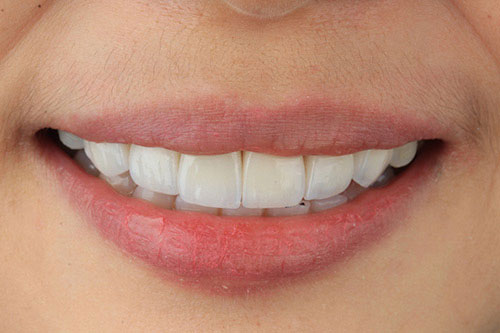
Losing a tooth can make simple things like eating and speaking feel more challenging, and it can also affect how confident you feel about your smile. In the Philippines, many patients explore dental bridges as a practical way to replace missing teeth and restore daily function.
During consultations, zirconia fixed bridges are often discussed as an option, as they offer a balance of strength and a natural-looking appearance.
What Is a Zirconia Fixed Bridge?
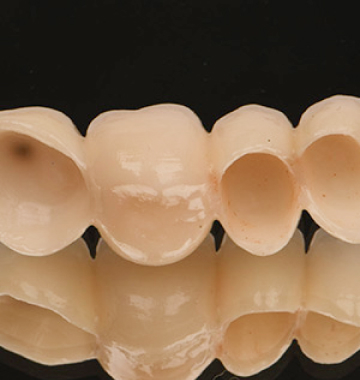
A zirconia fixed bridge is a dental restoration used to replace one or more missing teeth. It is securely anchored to adjacent natural teeth or dental implants and remains fixed in place.
It is made from zirconium dioxide, a strong ceramic material that does not contain metal. This allows the bridge to achieve a more natural appearance while reducing the risk of metal-related reactions in the surrounding tissues.
Zirconia bridges are typically designed and fabricated using digital systems, which help ensure a precise fit and consistent structure.
Advantages of Zirconia Fixed Bridges Over Traditional Bridges
Choosing the right type of dental bridge can affect not only how your smile looks, but also how it functions over time. Zirconia bridges differ from traditional options in several ways that may influence durability, comfort, and long-term oral health.
Here are the key differences to consider:
Strength and Durability
Zirconia bridges are known for their strong and durable structure, making them suitable for areas exposed to high biting forces, such as the back teeth.
Zirconia has high fracture resistance, making it less likely to crack under pressure than porcelain-fused-to-metal (PFM) bridges. This can be beneficial for patients with stronger bite forces or teeth-grinding habits.
With proper care, zirconia bridges are able to maintain their shape and function over time, reducing the risk of damage or mechanical failure.
Biocompatibility and Metal-Free Composition
Zirconia bridges are made without metal, reducing the risk of sensitivity or allergic reactions that some patients may experience with traditional metal-based restorations.
As a bioinert material, zirconia is generally well-tolerated by oral tissues. This makes it a suitable option for patients with known sensitivities or those who prefer metal-free restorations. In addition, gum tissue tends to respond well to zirconia, with less irritation observed in clinical settings.
Improved Aesthetics
Zirconia bridges are designed to provide a more natural-looking result, especially in visible areas of the mouth.
Unlike traditional bridges, they do not contain a metal base, so there is no risk of a dark line appearing along the gum margin over time. The material can be color-matched to surrounding teeth, helping create a more uniform and seamless appearance.
Zirconia also resists staining from common foods and beverages, allowing the restoration to maintain its appearance over time.
Reduced Risk of Chipping and Long-Term Stability
Zirconia bridges are designed for long-term durability, especially in areas exposed to repeated biting forces.
Unlike PFM bridges, which may chip over time, zirconia bridges (particularly monolithic designs) are made from a single solid block. This reduces weak points where fractures are more likely to occur. As a result, zirconia restorations tend to maintain their structure over time, with a lower likelihood of chipping and fewer repair needs compared to some traditional bridge options.
Who Is a Good Candidate for a Zirconia Fixed Bridge?
Zirconia fixed bridges may be recommended for patients who:
- Have one or more missing teeth and prefer a fixed solution
- Require a restoration in high-load areas, such as the back teeth
- Have a history of sensitivity to metals
- Prefer a restoration that blends with natural tooth color
- Are willing to follow long-term oral hygiene and maintenance protocols
However, suitability depends on several factors, including bone support, condition of adjacent teeth, bite alignment, and overall oral health.
Longevity and Maintenance
Zirconia fixed bridges are designed to last for many years, thanks to their resistance to wear and fracture. However, proper care is still important to maintain their function and surrounding oral health.
Patients are advised to:
- Brush at least twice daily with fluoride toothpaste
- Clean under the bridge using floss threaders or interdental brushes
- Attend regular dental check-ups and professional cleaning
- Avoid excessive force, such as biting hard objects
While zirconia resists staining and wear, plaque can still build up around the edges of the bridge. Without good oral hygiene, this may lead to gum inflammation or decay in the supporting teeth.
Cost and Long-Term Value
In the Philippines, zirconia fixed bridges usually cost more upfront than traditional PFM bridges. This is due to the material, laboratory process, and equipment used to create the restoration.
However, cost should also be weighed against durability and maintenance. A bridge that remains stable over time may help reduce future repair or replacement needs.
Patients should discuss material options, treatment plans and payment arrangements with their dentist to choose an option that suits both their oral health needs and budget.
Get Your Zirconia Fixed Bridge Done at Apostol Dental
At Apostol Dental Cosmetic Center, zirconia fixed bridge treatment begins with a detailed assessment of your oral health, including imaging and bite evaluation. This helps ensure the restoration is planned to suit your functional needs, appearance and long-term care.
A consultation with Dr Jonas John Apostol allows for a personalized evaluation to determine if a zirconia fixed bridge is suitable for your condition. Contact us today to schedule an appointment.
Dr. Jonas John S. Apostol
DMD, MSc
Dr. Jonas John S. Apostol, DMD, MSc, focuses on aesthetic and cosmetic dentistry, with a particular interest in dental veneers and smile enhancement. He completed his Master’s in Esthetic Dentistry at Goethe University in Frankfurt, Germany, and has also obtained Biomimetic Mastership training from the Alleman Center of Biomimetic Dentistry.
Dr. Apostol is a member of the American Academy of Cosmetic Dentistry and the Founder and Master Educator of the Apostol Institute. His clinical work includes porcelain veneers and other cosmetic dental procedures, supported by an in-house ceramic laboratory that allows for customized restorations tailored to each patient’s smile.