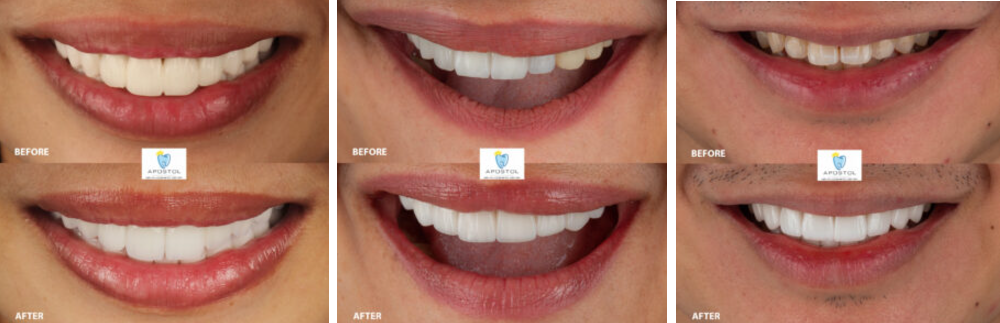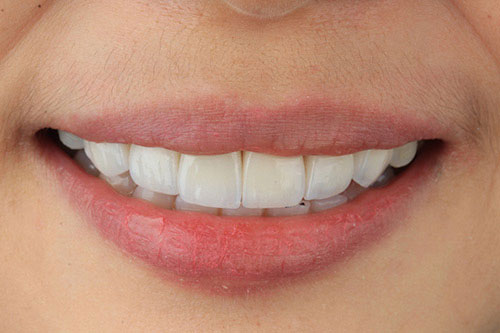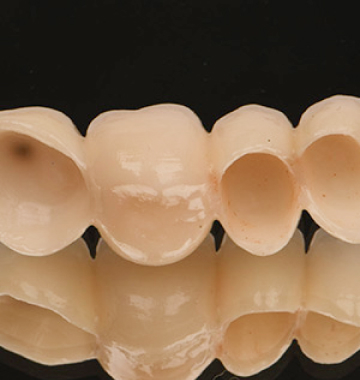
If you’ve noticed bad breath after getting veneers, you might be wondering if you’re doing something wrong taking care of your new smile. This is a common concern – and the good news is: it’s probably not you, but rather how your veneers were done.
Properly done veneers do NOT cause bad breath.
However, poorly fitted veneers can lead to oral health problems that result in halitosis (chronic bad breath).
Below, Dr. Jonas Apostol of Apostol Dental Cosmetic Center explains why bad breath can occur after veneer placement and how it can be prevented.
Do Veneers Cause Bad Breath?
The Short Answer: No – if done properly
Dental veneers themselves are not a cause of bad breath. When veneers are well-designed, properly fitted, and placed on healthy teeth and gums, they do not trap bacteria or create odor.
Bad breath after veneers almost always points to an underlying issue with fit, gum health, or oral hygiene, not the veneers themselves.
The Real Culprit: Poorly Fitted Veneers
Unfit Veneers and Leakage
When veneers do not seal properly against the natural tooth structure, tiny gaps can form between the veneer and the tooth. These gaps allow:
- Food particles to become trapped
- Bacteria to accumulate and multiply
- Plaque to build up more easily
- Tooth decay to develop underneath the veneer
This problem is known as veneer leakage, and it creates the perfect environment for odor-causing bacteria, leading to persistent bad breath.
Overextended Veneer Margins
Another common cause of bad breath after veneers is overextended margins — when the edges of the veneer go beyond their ideal placement.
This can result in:
- Chronic gum irritation
- Difficulty cleaning around the veneer
- Persistent inflammation
- Gum recession over time
When gums are constantly irritated, bacterial growth increases, significantly contributing to bad breath.
How Poor Veneers Lead to Bad Breath
Here’s the chain reaction that often occurs:
- Poorly fitted veneers irritate the gums
- Gums become inflamed and may bleed
- Blood seeps into the mouth and dries
- Dried blood produces an unpleasant odor
- Bacterial buildup worsens the smell
Over time, this cycle may lead to gingivitis (gum inflammation) or pyorrhea alveolaris (advanced gum disease), both known causes of chronic bad breath.
After-Care Matters Just as Much
Even perfectly placed veneers require proper after-care to prevent bad breath and gum problems.
Good after-care includes:
- Daily brushing and flossing, especially along the veneer margins
- Professional dental cleaning and check-ups at least every 6 months
- Monitoring gum health around veneers
- Early intervention if there is gum bleeding, swelling, or odor
Skipping regular dental visits allows plaque and bacteria to build up, badly affecting even the best veneer work.
For a more detailed discussion on maintaining veneers long-term, you may also read our Complete Guide to Veneers Pre- and Post-Care, where we explain end-to-end proper care tips to protect your oral health and smile investment.
Dr. Apostol’s Principle: Health First, Aesthetics Second
At Apostol Dental, Dr. Jonas follows a strict philosophy:
Aesthetic dentistry should never compromise oral health.
Before placing veneers, he and his dentists ensure that:
- Gums are healthy and free from gingivitis or periodontal disease
- Any existing gum infection is treated first
- Teeth and supporting structures are stable
- Veneers are precisely fitted and sealed
- Function and hygiene are prioritized alongside aesthetics
This approach significantly reduces the risk of bad breath and long-term complications.
Already Have Veneers and Experiencing Bad Breath?
If you’re experiencing bad breath after getting veneers, don’t ignore it. Bad breath after veneers is not normal and is a sign that something needs attention. With proper diagnosis and expert care, the issue can be corrected.
Schedule a consultation with us at Apostol Dental Cosmetic Center today.
Whether you’re considering veneers or need an evaluation of existing ones, we’re here to help you achieve a smile that’s both beautiful and healthy – the#Apostolified way.
Disclaimer: This article is for informational purposes only and does not replace professional dental advice. Always consult your dentist for diagnosis and treatment.