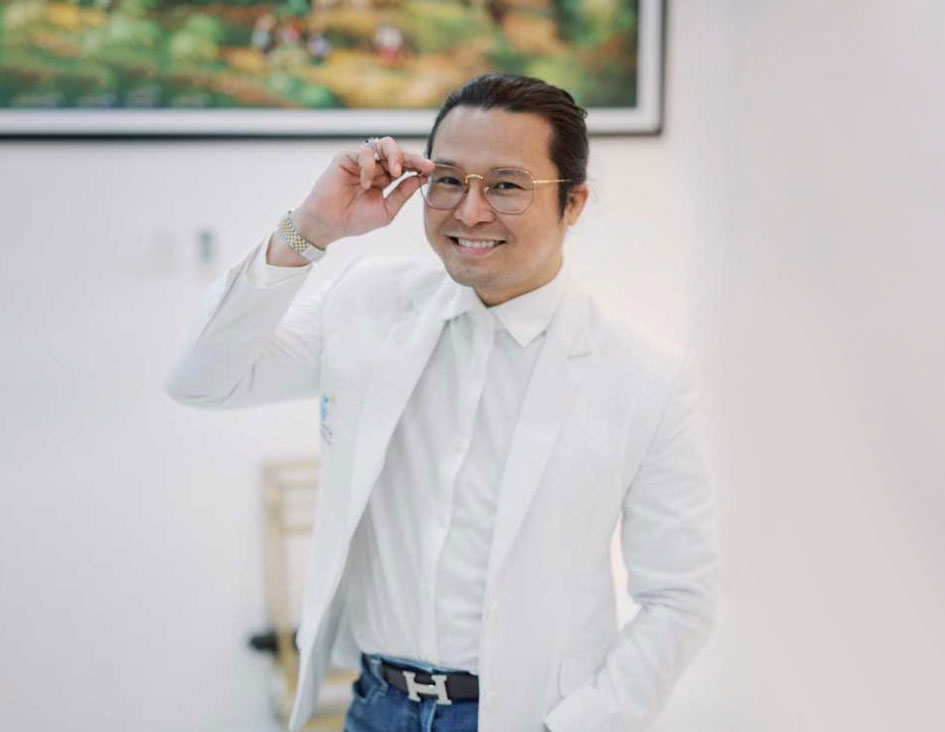
Dr. Jonas John S. Apostol
DMD, MSc
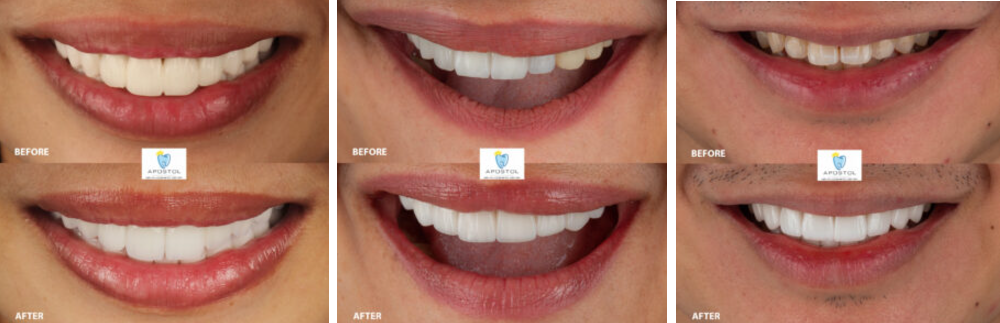
In the Philippines, where daily interactions often involve face-to-face communication, many people become more conscious of how their smile looks and feels. Concerns such as discolored, uneven, or missing teeth can affect confidence in both social and professional settings. As a result, more individuals are exploring smile makeovers to improve not just appearance, but also function.
However, a common question arises: is a smile makeover worth the time, cost and commitment? The answer depends on individual needs, expectations, and overall oral health.
What Is a Smile Makeover?
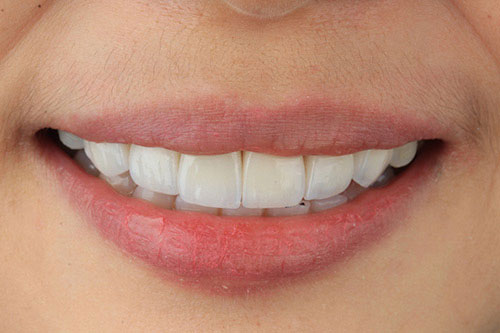
A smile makeover is a personalized treatment plan designed to improve the appearance and function of your teeth and gums. It combines different dental procedures based on your specific concerns and goals.
Common treatments may include:
- Teeth whitening to reduce stains and discoloration
- Dental veneers to improve chipped, uneven, or misshapen teeth
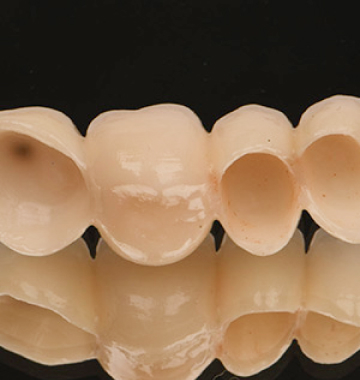
- Dental crowns to restore damaged teeth
- Orthodontic treatment to correct alignment
- Dental implants or bridges to replace missing teeth
- Gum contouring to improve gum shape and symmetry
The process usually starts with a comprehensive dental assessment, including checks on oral health, bite, and facial proportions. While improving appearance is a key goal, long-term function and oral health are also carefully considered.
Who Is a Good Candidate for a Smile Makeover?
Not everyone requires a full smile makeover. Dentists assess several factors to determine whether this approach is appropriate and beneficial.
Healthy Teeth and Gums
Before any cosmetic treatment begins, underlying dental issues must be addressed. This includes tooth decay, gum disease, or infections. Healthy gums and stable teeth provide the foundation for any restorative or aesthetic procedure.
Patients with untreated periodontal disease, for example, may need scaling, root planing, or other periodontal care before proceeding with cosmetic work.
Noticeable Aesthetic Concerns
Patients often consider a smile makeover when they are concerned about visible issues, such as:
- Staining or discoloration
- Chipped or cracked teeth
- Uneven tooth shape or size
- Gaps between teeth
These may not always affect function, but can influence confidence and overall appearance.
Functional or Bite-Related Issues
Some patients seek treatment due to functional problems rather than appearance alone. These may include:
- Difficulty chewing
- Worn-down teeth from grinding
- Misaligned bite (malocclusion)
Addressing these issues can reduce strain on the jaw and help prevent further dental complications.
Realistic Expectations and Commitment to Maintenance
A smile makeover requires ongoing care. Patients should be prepared to:
- Maintain good oral hygiene
- Attend regular dental visits
- Follow post-treatment advice
Clear expectations based on clinical assessment are important for satisfactory outcomes.
Suitable Age and Overall Health
Most adults can be considered for a smile makeover, provided they are in stable general health. Younger patients may need to wait until dental development is complete, particularly for procedures such as veneers or implants.
Patients with medical conditions that affect healing or bone health should also inform their dentist, as these may influence treatment planning.
The Benefits of a Smile Makeover
When planned appropriately, a smile makeover can provide both aesthetic and functional benefits.
Improved Confidence
Changes in dental appearance can influence how individuals feel in social settings. Patients who address visible dental concerns often report greater comfort when speaking, smiling, or being photographed.
Enhanced Appearance
A smile makeover can help create a more balanced and harmonious appearance by addressing multiple concerns at once. Adjustments in tooth color, shape, and alignment contribute to a more uniform look.
Long-Term Dental Health Benefits
Although often associated with aesthetics, many procedures involved in a smile makeover provide functional benefits, such as:
- Replacing missing teeth to prevent shifting
- Correcting alignment to improve cleaning and reduce plaque buildup
- Restoring worn teeth to distribute bite forces more evenly
Personal & Professional Impact
In professional environments, appearance can influence first impressions. While dental aesthetics are only one factor, a well-maintained smile may contribute to clearer communication and confidence during interactions.
On a personal level, patients often find it easier to engage in social activities without feeling self-conscious about their teeth.
What Determines the Cost of a Smile Makeover?
The cost of a smile makeover in the Philippines varies based on your treatment plan and dental needs. Key factors include:
- Type and Number of Procedures: Whitening usually costs less than treatments involving implants, veneers, or orthodontics.
- Materials Used: Material choice affects pricing; zirconia restorations often cost more than porcelain.
- Case Complexity: Missing teeth, bite issues, or staged treatment can increase the overall cost.
- Diagnostic and Planning Needs: Imaging, impressions, and treatment planning may also affect the final price.
For a clearer cost estimate, it is best to consult your dentist. They can provide a detailed breakdown of the recommended treatments based on your condition and goals.
Is a Smile Makeover Worth It?
Whether a smile makeover is right for you depends on your oral health, goals and budget. A consultation with your dentist can help you understand what treatments are suitable and what results to expect.
With proper planning and consistent aftercare, a smile makeover can improve both confidence and long-term oral function, making it a meaningful investment for many patients.
If you are considering this option, you can book a consultation with Apostol Dental Cosmetic Center for a detailed assessment. This allows you to explore treatment options tailored to your specific needs and goals.
Dr. Jonas John S. Apostol
DMD, MSc
Dr. Jonas John S. Apostol, DMD, MSc, focuses on aesthetic and cosmetic dentistry, with a particular interest in dental veneers and smile enhancement. He completed his Master’s in Esthetic Dentistry at Goethe University in Frankfurt, Germany, and has also obtained Biomimetic Mastership training from the Alleman Center of Biomimetic Dentistry.
Dr. Apostol is a member of the American Academy of Cosmetic Dentistry and the Founder and Master Educator of the Apostol Institute. His clinical work includes porcelain veneers and other cosmetic dental procedures, supported by an in-house ceramic laboratory that allows for customized restorations tailored to each patient’s smile.