Facing a persistent toothache or serious dental problem can be stressful, especially when deciding whether to save or remove a tooth. Many patients struggle with the question: “Should I have a root canal or get the tooth extracted?”
Weighing the pros and cons of a root canal versus a tooth extraction is key to making an informed decision that aligns with your health, comfort, and budget. Let us take a closer look at these two common procedures to help you determine the right choice for your situation.
Understanding Root Canal and Tooth Extraction
A root canal (endodontic therapy) is a procedure to save a tooth with damaged or infected pulp—the soft inner part containing nerves and blood vessels. The dentist numbs the area, removes the infected pulp, cleans and disinfects the tooth’s interior, fills it with a material like gutta-percha, and seals it. Often, a crown is placed to protect the tooth. This allows you to keep your natural tooth, preserving its function and appearance.
In contrast, a tooth extraction involves completely removing a tooth from its socket in the jawbone. It is typically recommended when a tooth is too damaged to save, such as in cases of severe decay, fractures below the gumline, or impacted teeth (e.g., wisdom teeth). The procedure is done under local anaesthesia, and the dentist may use tools to loosen and remove the tooth.
Key Differences Between Root Canal and Tooth Extraction
The decision between a root canal and extraction involves weighing several factors, including procedure time, pain, recovery, cost, functionality, and longevity. Below is a detailed comparison:
Procedure Time and Number of Visits
- Root Canal: Typically takes about 60 to 90 minutes, but may require 1 to 3 visits, including placement of a crown afterwards.
- Tooth Extraction: Generally quicker to perform, often completed in a single visit. Recovery from extraction may take 1 to 2 weeks, especially if surgical extraction is involved.
Pain and Recovery Time
- Root Canal: Mild discomfort during and after the procedure, usually subsiding within 1 to 3 days. Recovery is relatively quick.
- Tooth Extraction: More immediate pain and swelling, with recovery taking around 1 to 2 weeks. There is also a risk of complications like dry socket.
Need for Follow-up Procedures
- Root Canal: Crown placement is typically required after treatment to restore strength and appearance.
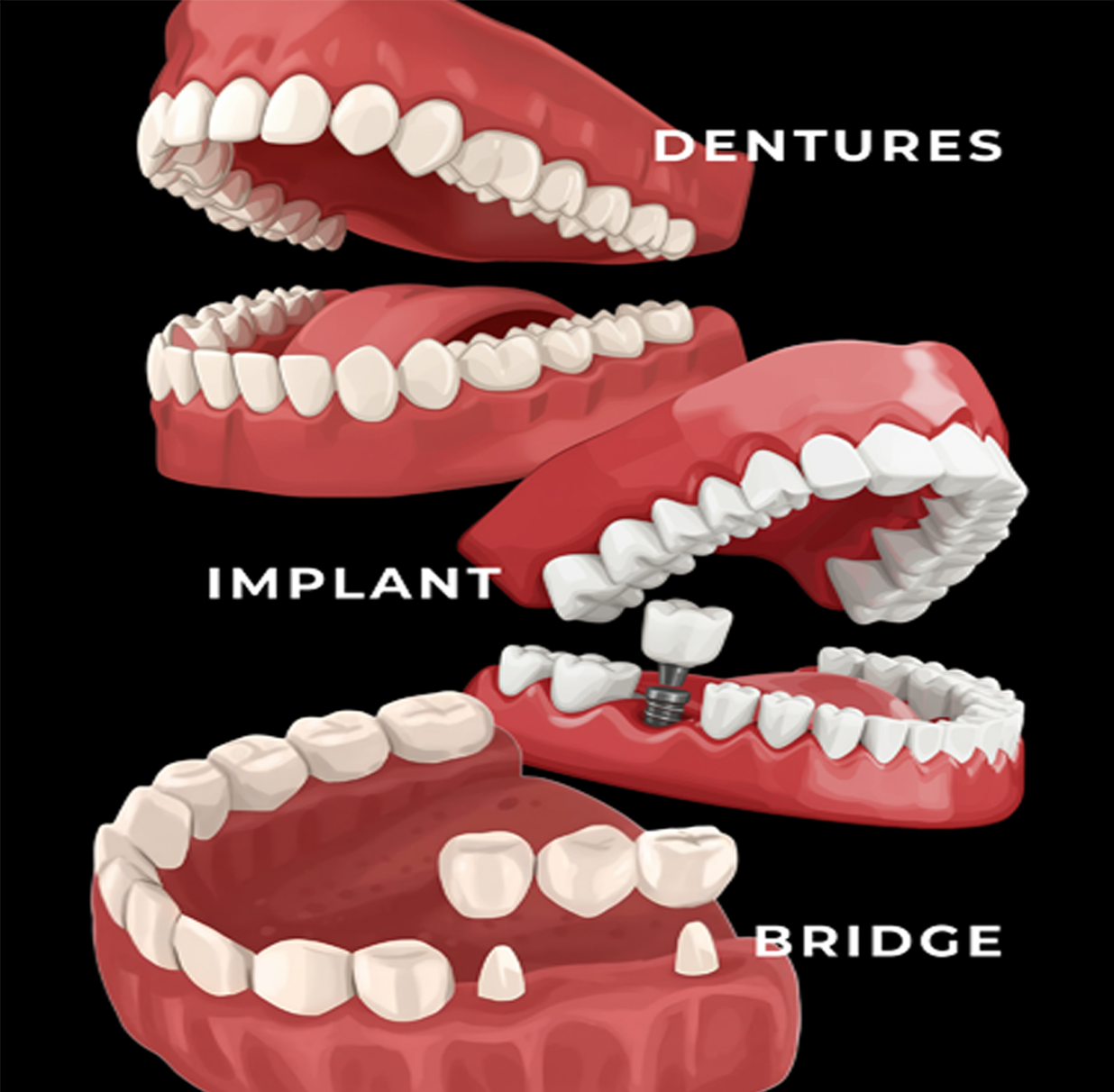
- Tooth Extraction: Follow-up visits are needed for healing and eventual tooth replacement (implant, bridge, or denture), which involves multiple appointments.
Cost Considerations
- Root Canal: Higher initial cost, but often more cost-effective long-term due to tooth preservation.
- Tooth Extraction: Lower upfront cost, but long-term costs add up if a replacement tooth is needed.
Functionality and Aesthetics
- Root Canal: Preserves the natural tooth, which helps maintain chewing function, appearance, and jawbone health.
- Tooth Extraction: Creates a gap that can affect chewing, appearance, and cause bone loss unless replaced.
Longevity and Success Rate
- Root Canal: High success rate; treated tooth can last a lifetime with proper care.
- Tooth Extraction: The tooth is permanently lost; replacement is necessary to avoid oral health issues.
The Big Decision: Root Canal or Tooth Extraction
A root canal is generally the better option when a tooth is salvageable and can be preserved. This treatment is preferred because it allows you to maintain your natural tooth, which looks, feels, and functions better than any prosthetic replacement.
However, tooth extraction is the best option in specific situations where a tooth is severely compromised and cannot be saved by other means. Extraction is typically recommended as a last resort in the following cases:
- Extensive Damage: When a tooth is too decayed, fractured, or damaged to be repaired by a root canal or other restorative methods.
- Persistent Infection: If a tooth has a severe, uncontrollable infection or abscess that does not respond to root canal therapy.
- Advanced Gum Disease: When a tooth has been severely loosened or damaged by gum disease, and is impossible to save.
- Failed Root Canal: If a tooth that has previously undergone a root canal treatment and cannot be successfully retreated.
- Crowding or Impaction: To address crowding, facilitate orthodontic treatment, or remove teeth that are impacted and causing pain or infection.
After extraction, it is often necessary to replace the missing tooth with an implant, bridge, or denture. This helps to restore function and aesthetics while preventing complications like bone loss or the shifting of adjacent teeth.
Dentist’s Role in Choosing the Right Treatment
Your dentist plays a crucial role in determining the right treatment by accurately diagnosing the problem and recommending the most suitable options for your individual needs. Here are the key aspects of their role:
Comprehensive Diagnosis and Personalized Planning
Dentists perform a thorough evaluation, including X-rays and clinical assessments, to determine the severity of a dental issue. Based on this, they develop a personalized treatment plan that considers your overall oral health, medical history, and specific needs (such as for chewing and aesthetics).
Informed Decision-Making
Your dentist will explain the pros and cons of each treatment option, including the risks, benefits, and costs. By listening to your concerns and expectations, they facilitate a shared decision-making process, ensuring you are an active participant in selecting the best course of care.
Expertise and Long-Term Care
A dentist’s expertise is vital in determining whether a tooth can be saved with a root canal or if extraction is necessary due to complications. Their role also extends to managing follow-up appointments, planning any necessary restorative work, and providing preventive guidance to help you maintain optimal oral health in the long run.
If you are dealing with a persistent toothache or serious dental issue, don’t wait for it to worsen. Consult a dental professional for a personalised assessment and the best treatment options for your needs. Contact us today to schedule your appointment.
Frequently Asked Questions
Can I still get a dental implant after a failed root canal treatment?
Yes, a dental implant is an excellent option after a failed root canal. The failing tooth is first extracted, and after a healing period, an implant is placed to serve as a strong, permanent replacement. Implants can closely restore the function and aesthetics of a natural tooth.
What are the signs that a root canal has failed and needs retreatment or extraction?
Signs of root canal failure include persistent or worsening tooth pain, sensitivity to pressure or temperature, swelling or tenderness in the gums, darkening of the tooth, and presence of a gum pimple or abscess. Sometimes, X-rays reveal infection or unresolved issues. Persistent infection or symptoms usually warrant retreatment or extraction if retreatment is not viable.
Which option is better for diabetic or immunocompromised patients?
For diabetic or immunocompromised patients, a root canal is often the preferred option. This treatment preserves the natural tooth and avoids the surgical trauma of an extraction, which can carry a higher risk of infection and a longer healing period for these groups. However, a dentist must perform a thorough assessment of each patient’s health status to determine the most suitable course of action.
What dietary restrictions follow each procedure, and for how long?
After a root canal, you should avoid hard, chewy, or very hot/cold foods for 1 to 3 days to minimize discomfort. For a tooth extraction, a soft diet is recommended for 1 to 2 weeks to promote healing and prevent a dry socket. Following dental implant surgery, you will need to stick to a soft diet for several days to a few weeks, depending on your individual healing progress.
Dental Clinic in Makati | Meet Our Doctor

Dr. Jonas John S. Apostol, DMD, MSc
- Masters in Esthetic Dentistry, Goethe University, Frankfurt, Germany (the FIRST in the country!)
- Biomimetic Mastership, Alleman Center of Biomimetic Dentistry
- Member of the American Academy of Cosmetic Dentistry (AACD)
- Founder and Master Educator, Apostol Institute
- Services include Veneers, General Dentistry, Dentures, Dental Fixed Bridges, Dental Implants, Root Canal Treatment, Orthodontics or Braces, Oral Surgery, TMJ Treatment, Periodontics and Cosmetic Dentistry
- Specializing in Dental Cosmetic Services